Vehicle Damage Inspection After a Roadside Accident
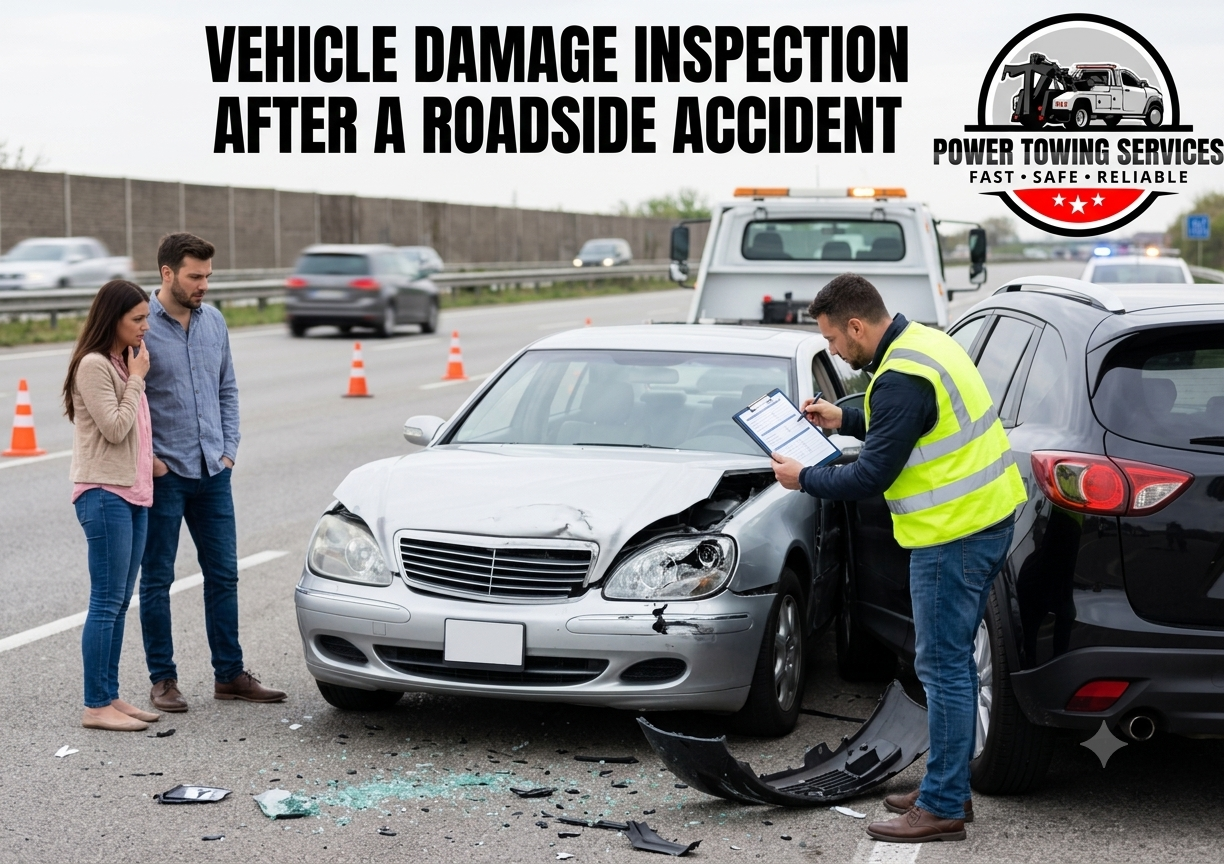
A road accident can cause a variety of visible and non-visible damage to a vehicle. Although safety should always be the priority after a crash, an assessment of the condition of the motor vehicle after an accident is equally important. This is to ensure that the driver knows whether the vehicle is safe to be driven, requires a tow or requires further inspection.
Why vehicle damage should be inspected after an accident
While most of the damage to a vehicle after a road accident is visible, a number of components can have internal damage that may only be discovered later.
Driving a vehicle with internal damage can be dangerous and may exacerbate the damage to the vehicle.
Some of the most common components that should be inspected after a road accident include:
Front and rear bumpers
Front and rear lights
Tyres and wheels
Steering and suspension
Brakes
Engine and fluid levels
Doors, bonnet, and boot
Underbody
If something looks abnormal, the vehicle should not be driven to a workshop.
Signs of serious vehicle damage after an accident
There are a number of signs that vehicles should not be driven after an incident.
Damaged wheels or tyres
Damage to wheels can also cause the wheel to lose its alignment, which can cause the vehicle to veer off if not properly re-aligned. A damaged wheel should always be assessed by a mechanic.
Steering problems
A vehicle with a misaligned or faulty steering mechanism should not be driven. The mechanism should be assessed by a mechanic and, if necessary, replaced.
Fluid leakage
The leaks should be investigated by a mechanic to determine the source. Some vehicles have components that can tolerate a small amount of leakage. If a component is faulty, it can be repaired or replaced.
Sounds
Unusual grinding, scraping, or knocking sounds should be investigated by a mechanic.
What to do at the scene of a roadside accident
After a roadside accident, the priority is to ensure the safety of those involved. The following steps can be taken at the scene of a roadside accident:
1. Switch on hazard lights
2. Move to a safe area
3. Photograph the vehicle and the accident scene
4. Look over the vehicle for damage
5. Note the location
6. Call the necessary authorities
7. Notify the insurance company, if necessary
8. Arrange to tow the vehicle, if necessary
Avoid getting too close to traffic when taking photographs or inspecting the damage.
India's e-DAR system supports the digital reporting and management of road accident information, making it a useful reference for understanding accident documentation.
Should vehicles be towed to a workshop or driven?
The biggest dilemma that people face after a road accident is whether they should drive their vehicle to a workshop or have it towed. If a vehicle has suffered minor cosmetic damage, it may be safe to continue driving with the assurance that the damage does not interfere with the proper operation of the vehicle.
A vehicle that has suffered serious damage is best towed to a workshop.
Condition after accident | Recommended action |
Minor cosmetic damage | Inspect vehicle and drive |
Damaged tyre | Replace tyre or tow |
Steering problem | Tow the vehicle |
Fluid leakage | Tow the vehicle |
Damaged suspension | Tow the vehicle |
Faulty engine | Tow the vehicle |
Serious structural damage | Tow the vehicle using professional vehicle recovery services |
If there is any doubt about the ability to drive the vehicle, the safest option is to tow the vehicle.
How to prepare your vehicle for towing
When preparing the vehicle for towing, provide the tow truck operator with as much information as possible. Describe the circumstances of the incident and the location. It is helpful to also indicate if the vehicle can be started and the condition of the wheels, tyres, and steering.
Tell the operator if the vehicle can start, the wheels can turn, and the steering mechanism is functional. Tell the operator if the tyres are damaged or if there are fluid leaks. If the vehicle is in an awkward position or blocking the traffic, let the operator know.
The above information can be used by the operator to determine the most appropriate method of recovery.
Why towing is important after an accident
Vehicles that have been involved in an accident can be more difficult to tow. This can be the result of a number of different damages such as damaged wheels, suspension, steering, and underbody damage. A dragging vehicle is more likely to cause additional damage to the vehicle and other vehicles.
Using the wrong equipment to tow a vehicle that has been involved in an accident can cause additional damage to the already damaged components.
Professional tow truck operators have the expertise and equipment to tow vehicles that have been involved in an accident. They are able to select the most appropriate towing method depending on the condition and location of the vehicle.
It is not enough to simply tow the vehicle. The aim must be to tow the vehicle to the workshop or to the nearest suitable location.
If your vehicle cannot be safely driven after an accident or breakdown, learn more about vehicle transport in Bangalore for disabled vehicles and the available options for moving it safely.
Taking photographs of vehicle damage
Photographs can be useful when reporting the damage to an insurance provider. Photograph the visible damage to the vehicle when it is convenient and safe to do so.
Some of the photographs that can help after a claim include:
Front and rear view of the vehicle
View of the damaged panel
Wheels and tyres
Damaged panels, windows, or lights
Leaking fluid
Interior damage
Accident location
Avoid risking personal safety to take photographs of vehicle damage. Personal safety should always be prioritized.
Things to avoid after a roadside accident
Vehicles that have sustained damage to the brakes, steering, wheels, or suspension should not be driven. Do not attempt to make complex roadside repairs. Avoid dragging the vehicle with inappropriate equipment. If the vehicle has unusual noises or fluid leakage, the vehicle should be towed. Do not attempt to drive the vehicle if the engine turns but the vehicle does not move. Avoid standing in the middle of the traffic lane. Avoid trying to manually move the vehicle if the situation allows.
If the situation allows, it is best to tow the vehicle to a workshop.
How to choose a reliable towing provider
If your vehicle can no longer be driven after an accident, choose a reliable towing provider. A reliable towing provider can provide professional tow truck operators, appropriate equipment, communication, and support with accident damaged vehicles. When the tow is being organised, inform the operator about the desired destination. If the vehicle has serious damage, ask the operator to use an appropriate recovery method.
A reliable towing provider can help ensure that the vehicle does not suffer additional damage during transport.
Frequently Asked Questions
1. What vehicle damage should I check after a roadside accident?
Common components that should be inspected after a roadside accident include: front and rear bumpers, front and rear lights, tyres and wheels, steering, suspension, brakes, engine, fluid levels, doors, bonnet, boot, and the vehicle's underbody. Inspect the vehicle for fluid leaks and unusual sounds.
2. Can I drive my car after an accident?
A vehicle should only be driven if it is safe to do so. If the vehicle has a steering, brake, suspension, wheel, fluid, or structural problem, the vehicle should be towed to a workshop.
3. Why is towing useful after an accident?
Towing can be used to transport a vehicle that has been involved in an accident to a workshop without the need to rely on the potentially damaged mechanical components to move the vehicle.
4. Should I photograph vehicle damage before towing?
Photographs can be useful when documenting the damage and providing an overview of the extent of damage. Where it is safe to do so, photographs can be taken of the front and rear view of the vehicle, the damaged panel, wheels and tyres, and the damaged windows or lights.
5. What should I tell a towing operator after an accident?
When communicating with a tow operator, describe the location and type of vehicle involved in the incident. Describe the damage that can be seen. If the vehicle can start, inform the operator. Mention whether the wheels can turn and if the steering mechanism is functional.
Get professional help for accident damaged vehicles
A roadside accident can lead to various types of vehicle damage ranging from minor cosmetic problems to serious mechanical or structural damage. Before driving away, inspect the vehicle and determine the signs that may cause it to be unsafe. If the situation allows, the vehicle can be driven to a workshop. If the vehicle cannot be safely driven, professional towing can be used to transport the vehicle to a workshop. Choosing the appropriate recovery method can help ensure the safety of the vehicle after an accident.
If your vehicle has been damaged and cannot safely continue its journey, contact Power Towing Services for professional vehicle recovery and towing assistance.